
Emergency Medicine · Orthopedics
Bone in the Wound
A scaffold worker falls three metres and arrives with an open, grossly deformed lower leg and a soaked dressing. Apply the general rules: bleeding control, neurovascular check before and after, realign and splint, antibiotics and tetanus, and early orthopaedic and plastic input.
How the case starts
Thirty-one-year-old male construction worker, about seventy kilograms, fell around three metres from scaffolding and landed on concrete, forty minutes ago. Awake, complaining of severe left lower leg pain. Open, deformed mid-tibial fracture with bone visible and gross contamination. A dressing has been applied but is soaked. Pulse one eighteen, pressure one eighteen over seventy-four, saturations ninety-seven on oxygen. No neck or back pain. Foot cool with a weak pulse. One cannula in the right arm. Pain relief has worn off.
What the team practises
- Apply the general principles of limb injury: primary survey first, then control of bleeding, neurovascular assessment before and after any manipulation.
- Realign and splint a deformed limb to restore perfusion and reduce bleeding and pain.
- Manage an open fracture: early antibiotics, tetanus, irrigation and dressing, photograph and early surgical review.
- Recognise haemorrhagic shock and a threatened limb and escalate early.
On the monitor
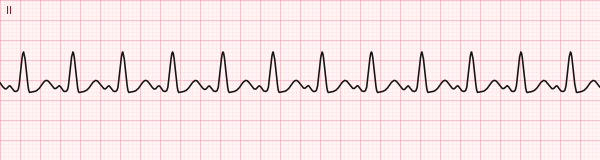
The case moves through this rhythm on Ruqelo Sim's live monitor as the team works.
Running it in Ruqelo Sim
- The instructor picks the case and reads the handover; the monitor and the learner's screen join with a QR code
- The patient answers questions in their own words, and a resus nurse voice reads back every order
- The case moves on as the team acts, and every action is timed for the debrief
Similar cases
Run “Bone in the Wound” with your team
Ruqelo Sim runs the monitor, the instructor's controls and the patient on three iPads, tablets or computers, all in sync. From $19 a month, cancel any time.
 Also in the browser on any iPad, tablet or computer.