
Emergency Medicine · Toxicology
Quiet Room, Slow Chest
A young woman is found hard to wake with slow snoring breaths after taking her painkiller and her sleeping tablets. The pupils are not pinpoint. Open the airway, ventilate, titrate naloxone to her breathing, and leave flumazenil in the drawer.
How the case starts
33-year-old woman, a pharmacy technician living in a staff compound. Her flatmate found her at about six this morning hard to wake with slow noisy breathing. Empty strips of her prescribed painkiller and a sleeping tablet were beside the bed, along with a note saying she was exhausted. Last seen well at ten last night. Paramedics: snoring respirations about eight a minute, SpO2 88 percent on room air, glucose normal, pupils mid-sized. Jaw thrust and oxygen by mask given. One cannula in the left forearm. No drugs given. Quantity taken unknown.
What the team practises
- Recognise a mixed opioid and sedative overdose even when the pupils are not pinpoint and the urine screen is negative.
- Support the airway and ventilation first, and give naloxone in small steps aimed at respiratory rate rather than full wakefulness.
- Explain why flumazenil has no place in a mixed or unknown overdose.
- Screen for co-ingestants, plan a safe observation period, and arrange mental-health assessment and a safety plan.
On the monitor
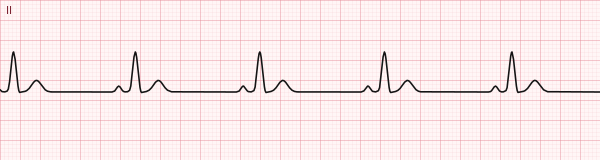
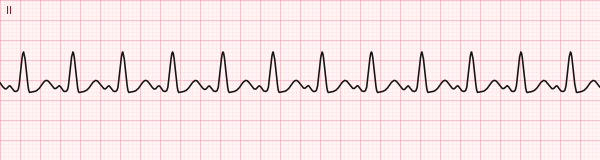
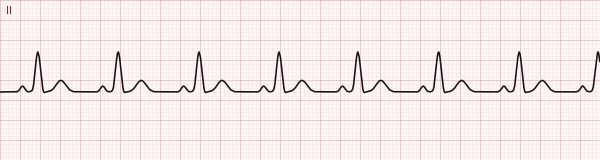
The case moves through these rhythms on Ruqelo Sim's live monitor as the team works.
Running it in Ruqelo Sim
- The instructor picks the case and reads the handover; the monitor and the learner's screen join with a QR code
- The patient answers questions in their own words, and a resus nurse voice reads back every order
- The case moves on as the team acts, and every action is timed for the debrief
Similar cases
Run “Quiet Room, Slow Chest” with your team
Ruqelo Sim runs the monitor, the instructor's controls and the patient on three iPads, tablets or computers, all in sync. From $19 a month, cancel any time.
 Also in the browser on any iPad, tablet or computer.