
Emergency Medicine · Toxicology
Truffle Season
A truffle hunter bitten on the ankle by a sand-coloured viper has a swelling leg that will not stop oozing. Recognise a haemotoxic envenomation, avoid tourniquets and cutting, confirm the coagulopathy with a bedside clotting test, and give antivenom before bleeding takes over.
How the case starts
39-year-old man hunting desert truffles two hours ago in the north of the region, bitten on the right ankle by a short sand-coloured snake with zigzag markings. A friend tied a belt tight above the knee and tried to cut and suck the wound before driving him in. Swelling reached the knee on the drive and the bite has kept bleeding. Pulse 108, blood pressure 128 over 80, SpO2 98 percent on room air, glucose 6.1. Photograph of the dead snake on the friend's phone. No treatment given.
What the team practises
- Recognise a viperid envenomation from the history, local swelling and unexplained bleeding.
- Take a safe first-aid approach: remove constricting bands, immobilise the limb, mark the swelling edge, and avoid cutting, suction and ice.
- Confirm coagulopathy with the bedside clotting test and a coagulation profile, and give antivenom without delay.
- Plan observation, tetanus, compartment assessment and escalation to the poison centre for antivenom stock and advice.
On the monitor
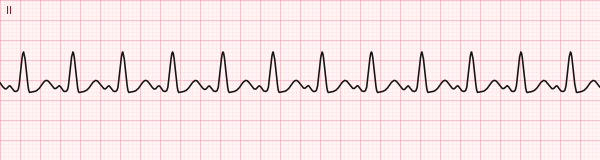
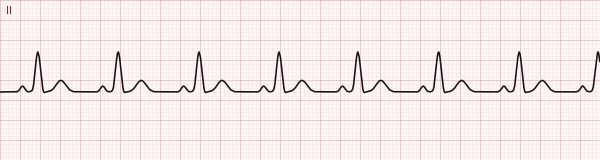
The case moves through these rhythms on Ruqelo Sim's live monitor as the team works.
Running it in Ruqelo Sim
- The instructor picks the case and reads the handover; the monitor and the learner's screen join with a QR code
- The patient answers questions in their own words, and a resus nurse voice reads back every order
- The case moves on as the team acts, and every action is timed for the debrief
Similar cases
Run “Truffle Season” with your team
Ruqelo Sim runs the monitor, the instructor's controls and the patient on three iPads, tablets or computers, all in sync. From $19 a month, cancel any time.
 Also in the browser on any iPad, tablet or computer.