
Emergency Medicine · Toxicology
Wobbly After a Week of Diarrhoea
An older man on lithium has been dehydrated by gastroenteritis, an anti-inflammatory tablet and a recently started blood pressure drug. He is tremulous, ataxic and slurring his words. Recognise chronic lithium toxicity, restore volume with isotonic saline, stop the offenders, and decide early about haemodialysis before he seizes.
How the case starts
67-year-old retired teacher with bipolar disorder on lithium and an antipsychotic. One week of vomiting and watery diarrhoea. For three days he has had a coarse tremor, slurred speech and a staggering gait. His son brought him in. A blood pressure tablet was started three weeks ago and he has been taking ibuprofen for backache. Pulse 54, blood pressure 112 over 64, temperature 36.8, SpO2 96 percent on room air. He appears dry. No treatment given.
What the team practises
- Recognise chronic lithium toxicity from the clinical picture and the precipitants: dehydration, ACE inhibitor, anti-inflammatory drug and renal impairment.
- Restore volume with isotonic saline, stop interacting drugs and monitor sodium and lithium level.
- Know the indications for haemodialysis and involve nephrology and toxicology early.
- Recognise the role of antipsychotic toxicity: QT prolongation, extrapyramidal effects and neuroleptic malignant syndrome.
On the monitor
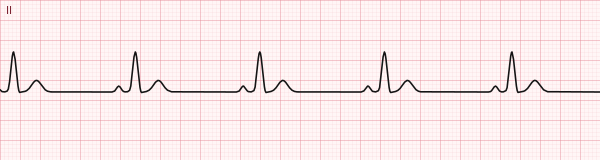
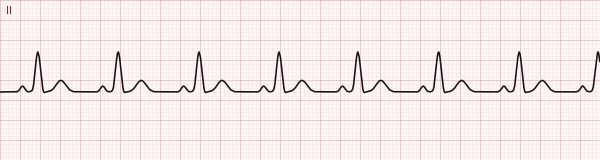
The case moves through these rhythms on Ruqelo Sim's live monitor as the team works.
Running it in Ruqelo Sim
- The instructor picks the case and reads the handover; the monitor and the learner's screen join with a QR code
- The patient answers questions in their own words, and a resus nurse voice reads back every order
- The case moves on as the team acts, and every action is timed for the debrief
Similar cases
Run “Wobbly After a Week of Diarrhoea” with your team
Ruqelo Sim runs the monitor, the instructor's controls and the patient on three iPads, tablets or computers, all in sync. From $19 a month, cancel any time.
 Also in the browser on any iPad, tablet or computer.