
Emergency Medicine · Neurology
Dizzy, Then Drifting Away
A diabetic smoker with sudden vertigo and vomiting is labelled as inner-ear disease. A bedside eye-movement exam shows central signs. Recognise a posterior circulation stroke, call the stroke team, and image the vessels before the brainstem fails.
How the case starts
58-year-old man, diabetic, hypertensive, heavy smoker. Sudden severe spinning dizziness with repeated vomiting two and a half hours ago while sitting after prayer. Seen at a clinic and told it was an ear problem; an anti-vertigo injection was given with little effect. Unable to stand unaided. Ten minutes of double vision two days ago. Pressure 178 over 102 on scene, sugar 8.4, no weakness noticed by family. Time last known well is 14:40. No anticoagulants. One cannula in the left forearm.
What the team practises
- Separate central from peripheral vertigo using the eye-movement exam, truncal ataxia and risk factors.
- Establish the time last known well and activate the stroke pathway early even when the limb exam is normal.
- Recognise that a plain CT is insensitive for the posterior fossa and that vessel imaging is needed.
- Anticipate brainstem failure, protect the airway and escalate for reperfusion.
On the monitor
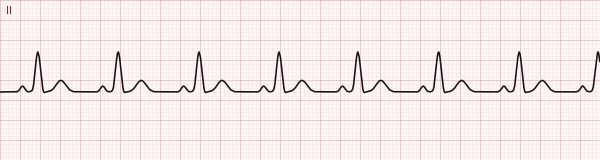
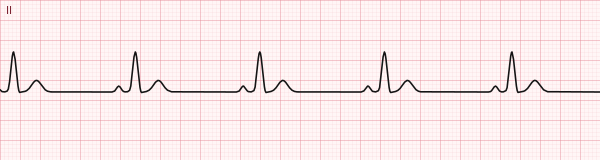
The case moves through these rhythms on Ruqelo Sim's live monitor as the team works.
Running it in Ruqelo Sim
- The instructor picks the case and reads the handover; the monitor and the learner's screen join with a QR code
- The patient answers questions in their own words, and a resus nurse voice reads back every order
- The case moves on as the team acts, and every action is timed for the debrief
Similar cases
Run “Dizzy, Then Drifting Away” with your team
Ruqelo Sim runs the monitor, the instructor's controls and the patient on three iPads, tablets or computers, all in sync. From $19 a month, cancel any time.
 Also in the browser on any iPad, tablet or computer.