
Emergency Medicine · Neurology
Legs Like Water, Then the Lungs
A young man with ascending weakness ten days after a diarrhoeal illness has absent reflexes and a falling breath count. Recognise Guillain-Barre syndrome, measure the respiratory reserve, and secure the airway early with a plan that avoids a depolarising relaxant.
How the case starts
36-year-old previously healthy man. Three days of tingling then progressive weakness climbing from the feet, now unable to stand from a chair and struggling to speak in sentences. Bloody diarrhoea ten days ago. Reflexes absent according to the clinic. Obs en route: pulse 108, pressure swinging between 130 and 170 systolic, rate 22, saturation 96 on air. Not given any sedatives. No cord trauma. Family says his voice has become quieter and his face looks droopy. One cannula, no medication given.
What the team practises
- Recognise ascending symmetrical weakness with areflexia as Guillain-Barre syndrome and exclude cord compression.
- Assess respiratory reserve with bedside measures rather than trusting the saturation or the blood gas.
- Plan the airway early, anticipating autonomic instability, and avoid a depolarising relaxant.
- Start the discussion of immunotherapy and ICU admission, and explain the outlook to the family.
On the monitor
The case moves through these rhythms on Ruqelo Sim's live monitor as the team works.
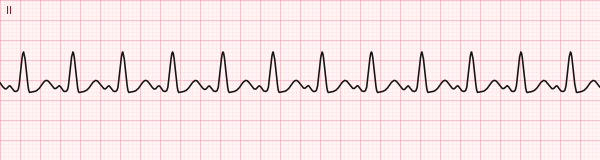

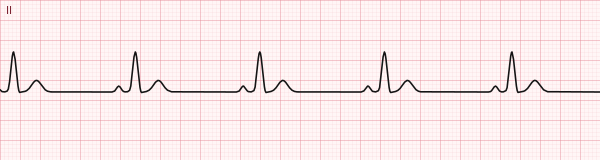
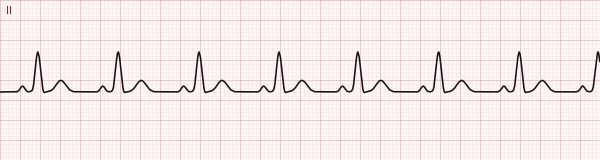
Running it in Ruqelo Sim
- The instructor picks the case and reads the handover; the monitor and the learner's screen join with a QR code
- The patient answers questions in their own words, and a resus nurse voice reads back every order
- The case moves on as the team acts, and every action is timed for the debrief
Similar cases
Run “Legs Like Water, Then the Lungs” with your team
Ruqelo Sim runs the monitor, the instructor's controls and the patient on three iPads, tablets or computers, all in sync. From $19 a month, cancel any time.
 Also in the browser on any iPad, tablet or computer.