
Emergency Medicine · Cardiac arrest
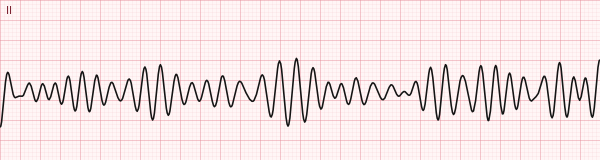
Witnessed collapse, ventricular fibrillation
Unresponsive, no pulse, chaotic rhythm. Shock and compressions change the course.
How the case starts
Adult who collapsed suddenly while being watched. Unresponsive, not breathing normally, no pulse. The monitor shows a chaotic rhythm.
What the team practises
- Recognise cardiac arrest quickly and start high quality compressions without delay.
- Attach the defibrillator, identify a shockable rhythm and deliver the first shock as early as possible.
- Resume compressions straight after each shock and check the rhythm at regular two-minute cycles.
- Give adrenaline on schedule and consider an antiarrhythmic if the rhythm persists after repeated shocks.
- Think through reversible causes and plan post-return-of-circulation care.
On the monitor
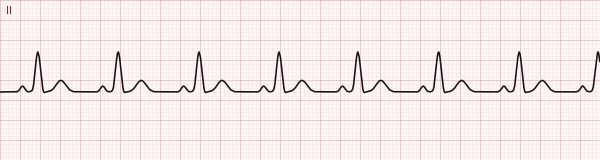
The case moves through these rhythms on Ruqelo Sim's live monitor as the team works.
Running it in Ruqelo Sim
- The instructor picks the case and reads the handover; the monitor and the learner's screen join with a QR code
- The patient answers questions in their own words, and a resus nurse voice reads back every order
- The case moves on as the team acts, and every action is timed for the debrief
Similar cases
Run “Witnessed collapse, ventricular fibrillation” with your team
Ruqelo Sim runs the monitor, the instructor's controls and the patient on three iPads, tablets or computers, all in sync. From $19 a month, cancel any time.
 Also in the browser on any iPad, tablet or computer.