
Emergency Medicine · Mega codes
Mega code 1: slow rhythm, ventricular tachycardia, arrest
Symptomatic complete heart block. Pace. Then the rhythm turns to unstable ventricular tachycardia with a pulse, then ventricular fibrillation. Pace, cardiovert, defibrillate, and manage the arrest.
How the case starts
Adult with dizziness and near-collapse. The monitor shows a slow wide-complex rhythm with low blood pressure. The case evolves, so expect to change plan as the rhythm changes.
What the team practises
- Treat symptomatic bradycardia in sequence, with early transcutaneous pacing.
- Switch to the correct plan when the rhythm changes to unstable ventricular tachycardia with a pulse: synchronised cardioversion.
- Switch again, and correctly, when the patient loses their pulse: turn off sync, start CPR and defibrillate.
- Lead the arrest, give drugs on schedule, search for causes and provide post-return-of-circulation care.
On the monitor
The case moves through these rhythms on Ruqelo Sim's live monitor as the team works.
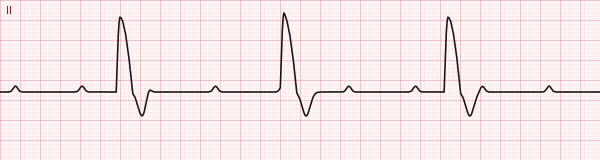 Complete heart block
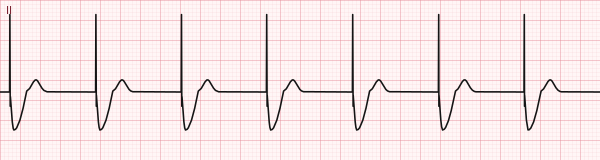 Ventricular paced rhythm
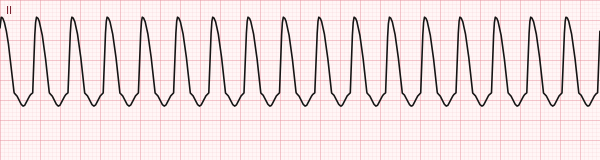 Ventricular tachycardia (monomorphic)
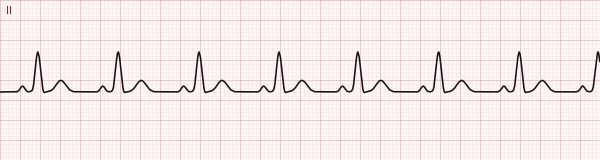 Sinus rhythm
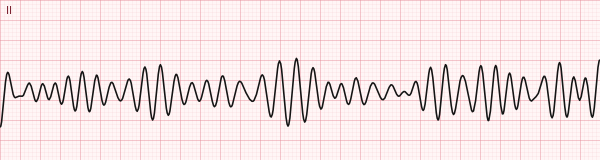 Ventricular fibrillation
Running it in Ruqelo Sim
- The instructor picks the case and reads the handover; the monitor and the learner's screen join with a QR code
- The patient answers questions in their own words, and a resus nurse voice reads back every order
- The case moves on as the team acts, and every action is timed for the debrief
Similar cases
Run “Mega code 1: slow rhythm, ventricular tachycardia, arrest” with your team
Ruqelo Sim runs the monitor, the instructor's controls and the patient on three iPads, tablets or computers, all in sync. From $19 a month, cancel any time.
 Also in the browser on any iPad, tablet or computer.