
Emergency Medicine · Neurology
Sleepy With a Tube Under the Skin
A teenager with a ventriculoperitoneal shunt has two days of headache, vomiting and growing drowsiness. Recognise shunt malfunction, get the right imaging without a lumbar puncture, and call neurosurgery for CSF diversion before he herniates.
How the case starts
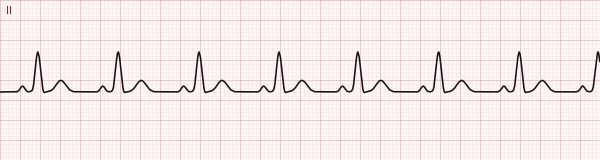
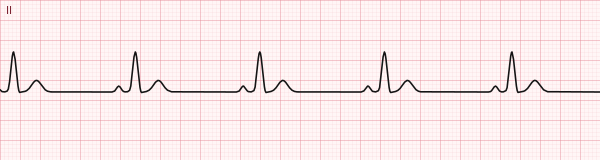
16-year-old boy with a ventriculoperitoneal shunt since infancy for congenital hydrocephalus, last revised two years ago. Two days of worsening headache, vomiting and sleepiness, now difficult to wake. Pulse 62, pressure 148 over 82, temperature 37.0, saturation 97, sugar 5.6. His mother says the lump behind the ear feels tight and swollen and his eyes look odd. He fell from a bicycle two weeks ago onto his neck. Programmable valve; the card is in his bag. No treatment given. Mother is present and anxious.
What the team practises
- Recognise the symptoms and signs of shunt malfunction and raised intracranial pressure.
- Choose appropriate imaging: CT head and shunt series, and know the cautions with magnetic scanners and programmable valves.
- Avoid lumbar puncture and avoid pumping the shunt reservoir; call neurosurgery early.
- Bridge to CSF diversion with positioning, airway planning and hyperosmolar therapy for a deteriorating patient.
On the monitor
The case moves through these rhythms on Ruqelo Sim's live monitor as the team works.
Running it in Ruqelo Sim
- The instructor picks the case and reads the handover; the monitor and the learner's screen join with a QR code
- The patient answers questions in their own words, and a resus nurse voice reads back every order
- The case moves on as the team acts, and every action is timed for the debrief
Similar cases
Run “Sleepy With a Tube Under the Skin” with your team
Ruqelo Sim runs the monitor, the instructor's controls and the patient on three iPads, tablets or computers, all in sync. From $19 a month, cancel any time.
 Also in the browser on any iPad, tablet or computer.