
Emergency Medicine · Environmental
The Pole That Touched the Line
An electrician thrown by a high-voltage contact looks well and has small burns, but his muscles are breaking down and potassium is rising. Recognise the hidden injury, resuscitate with fluid and calcium, and be ready to shock.
How the case starts
Thirty-seven-year-old line technician who contacted an overhead high-voltage line with a metal pole. Thrown several metres, briefly unconscious, awake on arrival of the crew. Small deep burns on the right palm and left heel. Heart rate 118, blood pressure 128 over 78. Crew applied defibrillator pads at the scene but he never needed a shock. Colleagues say the line has now been isolated and earthed. Dark urine noted in the ambulance. One cannula, no medication given. Twenty minutes to us.
What the team practises
- Recognise that small skin burns hide extensive deep muscle injury after high-voltage contact.
- Obtain an ECG, potassium and CK early and recognise rhabdomyolysis with hyperkalaemia.
- Protect the heart with calcium, resuscitate with fluid, and treat arrest immediately.
- Monitor for compartment syndrome and plan referral. Discuss lightning injury differences.
On the monitor
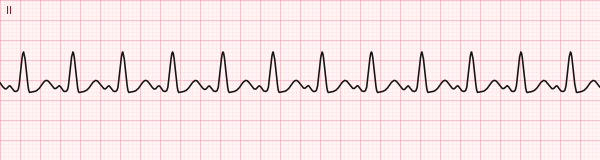
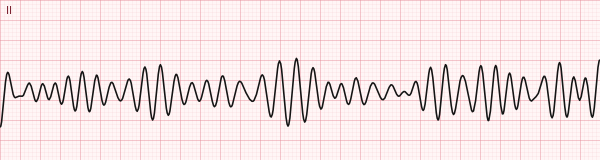
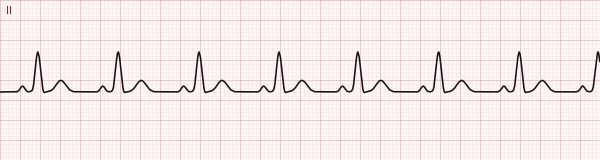
The case moves through these rhythms on Ruqelo Sim's live monitor as the team works.
Running it in Ruqelo Sim
- The instructor picks the case and reads the handover; the monitor and the learner's screen join with a QR code
- The patient answers questions in their own words, and a resus nurse voice reads back every order
- The case moves on as the team acts, and every action is timed for the debrief
Similar cases
Run “The Pole That Touched the Line” with your team
Ruqelo Sim runs the monitor, the instructor's controls and the patient on three iPads, tablets or computers, all in sync. From $19 a month, cancel any time.
 Also in the browser on any iPad, tablet or computer.