
Emergency Medicine · Environmental
White Fingers on the Mountain
A hiker comes down from a snowy Tabuk peak with waxy, numb fingers and toes. Check the core temperature first, then rapidly rewarm the frozen tissue in warm water, control the pain, and decide who needs imaging and thrombolytic treatment to save the limb.
How the case starts
31-year-old hiker who spent a night on a snowy peak at minus six degrees with wet gloves and boots. Fingers of the right hand and both great toes are white, hard and numb. He was walked down, arriving at the clinic fourteen hours after exposure, and the staff put his hands on a radiator. He is shivering with heart rate 102, blood pressure 128 over 78, saturations 97 percent, temperature 35.2 by tympanic probe. Wet boots and gloves are still on. No analgesia given and tetanus status unknown.
What the team practises
- Assess the core temperature and treat hypothermia before localised frostbite.
- Recognise frostbite and differentiate from non-freezing cold injury (trench foot) and chilblains.
- Perform rapid rewarming in circulating warm water for the frozen limb, with strong analgesia, and avoid rubbing or dry heat.
- Decide on early imaging and thrombolytic therapy, and arrange admission, wound care and prevention advice.
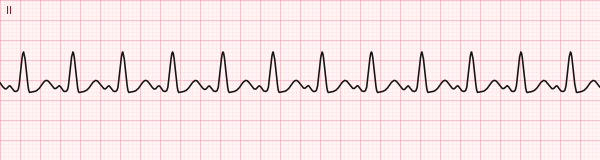
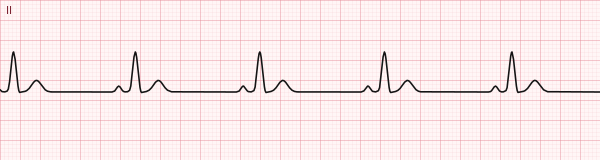
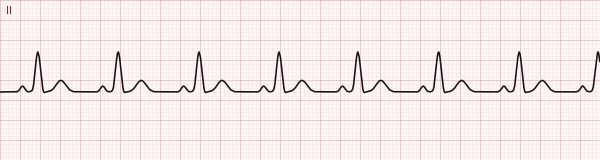
On the monitor
The case moves through these rhythms on Ruqelo Sim's live monitor as the team works.
Running it in Ruqelo Sim
- The instructor picks the case and reads the handover; the monitor and the learner's screen join with a QR code
- The patient answers questions in their own words, and a resus nurse voice reads back every order
- The case moves on as the team acts, and every action is timed for the debrief
Similar cases
Run “White Fingers on the Mountain” with your team
Ruqelo Sim runs the monitor, the instructor's controls and the patient on three iPads, tablets or computers, all in sync. From $19 a month, cancel any time.
 Also in the browser on any iPad, tablet or computer.