
Paediatrics · Pediatrics
After the Dust Storm
A seven-year-old with severe asthma after a dust storm tires, goes quiet and drifts towards respiratory arrest. Give early, repeated bronchodilators with steroids, recognise the silent chest, and manage air trapping if she is ventilated.
How the case starts
Seven-year-old girl, Noor, about twenty-four kilograms, known asthmatic with two previous admissions including one to intensive care. Cough since yesterday's dust storm, much worse tonight, with severe wheeze and difficulty speaking. Her mother gave many puffs of the reliever inhaler with no lasting effect. In the ambulance she was on oxygen, saturations ninety percent, respiratory rate thirty-four, heart rate one thirty-eight. One nebuliser of salbutamol given on the way. She has missed her preventer for two weeks. No IV access.
What the team practises
- Grade the severity of an asthma attack in a child and recognise life-threatening features, including the silent chest.
- Give early, repeated inhaled bronchodilators with ipratropium, systemic steroid and escalate to magnesium and intensive care.
- Interpret a blood gas in asthma: a rising carbon dioxide means tiring, not improvement.
- Manage a ventilated asthmatic with air trapping, including the pneumothorax check, and run the arrest.
On the monitor
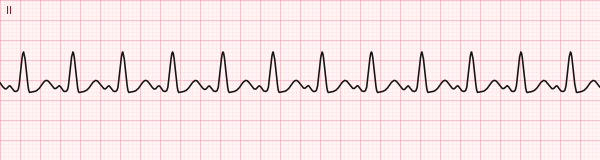
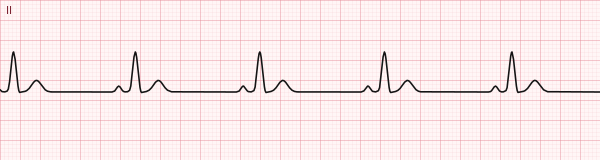
The case moves through these rhythms on Ruqelo Sim's live monitor as the team works.
Running it in Ruqelo Sim
- The instructor picks the case and reads the handover; the monitor and the learner's screen join with a QR code
- The patient answers questions in their own words, and a resus nurse voice reads back every order
- The case moves on as the team acts, and every action is timed for the debrief
Similar cases
Run “After the Dust Storm” with your team
Ruqelo Sim runs the monitor, the instructor's controls and the patient on three iPads, tablets or computers, all in sync. From $19 a month, cancel any time.
 Also in the browser on any iPad, tablet or computer.