
Paediatrics · Pediatrics
The Quiet Pool
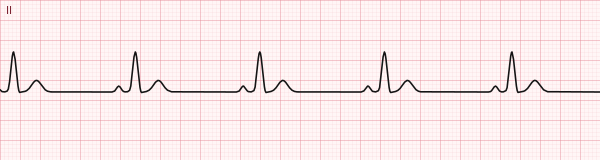
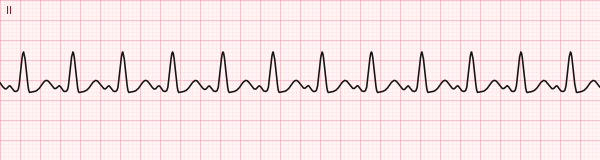
A toddler is pulled from a villa pool, slow and gasping. Treat the bradycardia as hypoxia: ventilate first, start compressions when perfusion fails, and run the arrest with weight-based drugs, IO access and the reversible causes.
How the case starts
Three-year-old girl, Layla, about fourteen kilograms by length tape. Found at the bottom of the family villa pool, unwitnessed, submersion estimated at under five minutes. Father pulled her out and did chest compressions until we arrived, nine minutes later. On our arrival she had a slow weak pulse, gasping breaths, cold wet skin and a glucose of five. We have been bagging her with oxygen. No neck injury suspected, no collar. No IV or IO access, no drugs given. Mother is following by car.
What the team practises
- Recognise bradycardia with poor perfusion in a child as hypoxic and treat it with effective oxygenation and ventilation first.
- Start compressions at the right moment and run a two-rescuer paediatric arrest with IO access and weight-based drugs from a length tape.
- Work through the paediatric reversible causes and recognise a non-shockable hypoxic arrest.
- Deliver post-arrest care and support the family with clear role assignment and closed-loop communication.
On the monitor
The case moves through these rhythms on Ruqelo Sim's live monitor as the team works.
Running it in Ruqelo Sim
- The instructor picks the case and reads the handover; the monitor and the learner's screen join with a QR code
- The patient answers questions in their own words, and a resus nurse voice reads back every order
- The case moves on as the team acts, and every action is timed for the debrief
Similar cases
Run “The Quiet Pool” with your team
Ruqelo Sim runs the monitor, the instructor's controls and the patient on three iPads, tablets or computers, all in sync. From $19 a month, cancel any time.
 Also in the browser on any iPad, tablet or computer.