
Paediatrics · Pediatrics
Normal Pressure, Racing Heart
A six-year-old pedestrian hit by a car has a heart rate that is too fast and a pressure that looks normal. Recognise compensated haemorrhagic shock from a spleen and femur injury, give blood early and avoid crystalloid overload before decompensation.
How the case starts
Six-year-old boy, about twenty-one kilograms by length tape, pedestrian struck by a car at roughly forty kilometres an hour, thrown onto the bonnet. Alert at the scene, crying, no loss of consciousness. Left thigh deformity and left flank bruise. Cervical collar and scoop. On route: heart rate one forty, pressure ninety-six over sixty, saturations ninety-seven on oxygen. One peripheral line, a small amount of saline given. Last meal two hours ago. Father is on the way.
What the team practises
- Recognise compensated shock in a child from the heart rate and perfusion before the pressure falls.
- Prioritise a primary survey with the length tape, early IO access, and blood-first resuscitation instead of crystalloid overload.
- Control the cause with pelvic and femoral splinting, surgical involvement and the right destination.
- Run a haemorrhagic PEA arrest, searching for co-causes, and deliver warm blood quickly.
On the monitor
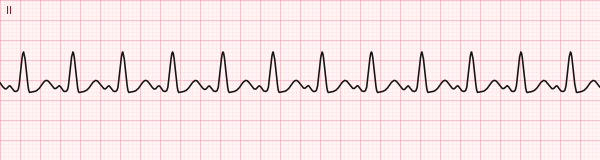
The case moves through this rhythm on Ruqelo Sim's live monitor as the team works.
Running it in Ruqelo Sim
- The instructor picks the case and reads the handover; the monitor and the learner's screen join with a QR code
- The patient answers questions in their own words, and a resus nurse voice reads back every order
- The case moves on as the team acts, and every action is timed for the debrief
Similar cases
Run “Normal Pressure, Racing Heart” with your team
Ruqelo Sim runs the monitor, the instructor's controls and the patient on three iPads, tablets or computers, all in sync. From $19 a month, cancel any time.
 Also in the browser on any iPad, tablet or computer.